

Sekolah Bisnis IPB University Organizes Mentoring Class on the Utilization of Scopus AI for Research Proposal Writing
Sekolah Bisnis IPB University Organizes Mentoring Class on the Utilization of Scopus AI for Research Proposal Writing
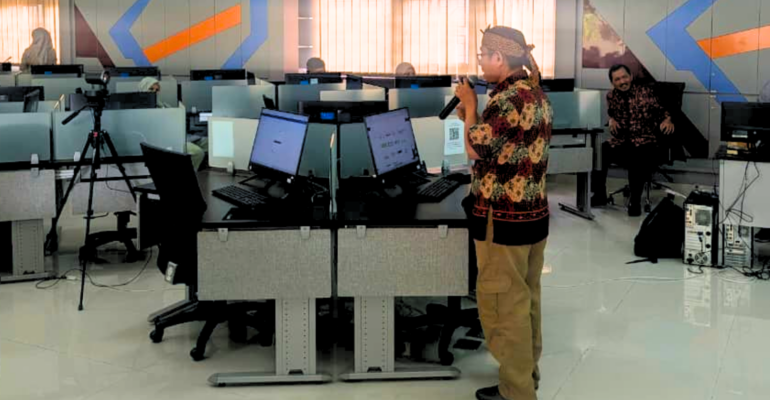
Bogor, April 18, 2026 – Sekolah Bisnis IPB University continues to demonstrate its commitment to strengthening academic quality and research capacity through the implementation of the Information Literacy: Mentoring Class on the Utilization of Scopus AI for Research Proposal Writing on April 18, 2026. This activity served as a strategic initiative to enhance information literacy skills and the utilization of digital technology within the academic community.
The mentoring class was designed to provide practical insights into the use of artificial intelligence technology integrated within the Scopus platform. Along with technological advancements and the increasing demand for data-driven research, the ability to utilize artificial intelligence-based tools has become an important competency for students and educators in developing high-quality research proposals.
During the activity, participants received guidance on the use of Scopus AI features that can support scientific literature searches, bibliometric analysis, and research topic mapping. Through this technology, researchers can more easily identify reliable academic references while gaining a deeper understanding of global research trends.
The activity was conducted interactively and received strong enthusiasm from participants. Discussions throughout the mentoring session reflected increasing awareness of the importance of technological adaptation in supporting research productivity and scientific publication. AI-based technology is considered capable of improving research efficiency while broadening academic perspectives on current issues across various fields of study.
Through this information literacy program, Sekolah Bisnis IPB University continues to encourage the development of an academic ecosystem that is adaptive to digital transformation. Beyond focusing on research theories and methodologies, the institution also strives to equip its academic community with relevant technological skills that meet the demands of the modern academic environment.